
Chapter Members

Paul Baribault
MN'24
Paul Baribault served as the President and Chief Executive Officer for San Diego Zoo Wildlife Alliance, a nonprofit organization and leader in wildlife conservation, health care, science, and education. He served for two decades as Walt Disney Company executive.
He is founder of Baribault Advisors, a selective advisory practice for CEOs, boards, investors, and the senior leaders they trust to carry the vision.
Christina Brophy, PhD
FN'25
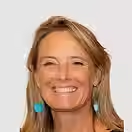
Christina Connett Brophy, PhD, is the President and CEO of the Maritime Museum of San Diego, California and a former senior executive at the Mystic Seaport Museum and the New Bedford Whaling Museum.
Colin Bettis
MN'20

Steven W. Bickler, MD
FN'00
Dr. Bickler is a pediatric surgeon whose dedication to children has taken him to distant places. He recently spent more than two and a half years in The Gambia in West Africa as Consulting Pediatric Surgeon at the Royal Victoria Hospital in Banjul and the Medical Research Council Laboratories in Fajara.
From April to June of 1999, Dr. Bickler was a refugee camp physician in Macedonia and Guyana as part of a team of plastic surgeons for Interplast, a nonprofit organization that provides free reconstructive surgery to children in developing countries.
He received the Dennis Burkitt Fellowship to the Royal Society of Tropical Medicine and Hygiene in London. He is widely published and has done presentations in the United States and Africa, Australia, Amsterdam and Hong Kong.
Dr. Bickler came to UC San Diego Healthcare in July 1999. He is Clinical Professor of Surgery and Pediatrics at UC San Diego School of Medicine and a pediatric surgeon.
Sharyn Blaney
AN'13

Yehuda Bock, PhD
FN '14
Distinguished Researcher and Senior Lecturer at Scripps Institute of Oceanography.
Frank Castle
LF'72

Bonita Chamberlin, PhD
FN '98
Bonita Chamberlin has spent more than 30 years working in Afghanistan. As a result of this extensive work, Bonita has walked the country, mapping it, thereby being a resource for the Department of Defense after 9/11.
LCDR. Lawrence J Conrad
FN'91

James "Rocky" Contos, PhD
FN'18
Although I have a PhD in neuroscience and worked in research for 11 years, since 2008 I have been only involved in geographic exploratory pursuits related to rivers. In particular, my goal is to document, publicize and protect the rivers that flow through the Grand Canyons of the world, most of which are targets for building hydroelectric dams. I’ve been the first person to research, paddle, and document >100 rivers in the world, mostly in Mexico and Latin America, but also several in Myanmar and Ethiopia. In 2012, I discovered the most distant source of the Amazon, led expeditions to the source and also to paddle the entire new source stream (the Mantaro), and compare directly the distance measured with GPS to the formerly considered most distant headwater stream (the Apurimac). I wrote up and published these results in the journal AREA (see https://rgs-ibg.onlinelibrary.wiley.com/doi/abs/10.1111/area.12069#support-information-section). I then continued down the rest of the Ene-Tambo-Ucayali-Amazon.
R. Costello
FN'96

Demitri D Deheyn PhD
FN'17
Associate Researcher in the Marine Biology Research Division at Scripps Institution of Oceanography, University of California, San Diego.

Robert De Laurentis
MN'18
Robert DeLaurentis is an American aviator, businessman and author.
He was the first solo pilot to fly a Piper Malibu Mirage, a small, single-engine plane, around the world from May 17, 2015, to August 14, 2015.The flight covered 26,000 nautical miles and 23 countries in 98 days for a fundraising campaign to support aviation programs. On August 10, 2020, DeLaurentis completed a 9-month, 26,000–nautical mile polar circumnavigation and global peace mission, "One Planet, One People, One Plane: Oneness for Humanity" in his modified 1983 aircraft named "Citizen of the World."
From 1989 to 2006, DeLaurentis served in the United States Navy, achieving rank of lieutenant commander.
DeLaurentis has authored the books "Flying Thru Life: How to Grow Your Business and Relationships with Applied Spirituality", "Zen Pilot: Flight of Passion and the Journey Within", and the children’s book "The Little Plane That Could".His next book, "Peace Pilot: To the Ends of the Earth and Beyond", will be released in 2021.
Suzanne Dixon
FN'23

Daniel A. Dolan
MN'26
Daniel Dolan has been a Student Member since he was in High School. In fact, he was personally presented his membership certificate on his 16th Birthday on June 21, 2010 by then Explorers Club President Dan Bennett (PEX’02). That day was the first day he was eligible to join the club, which probably made him the youngest ever to join the Explorers Club, as its By-Laws state that one has to be at least 16 years old to qualify. Daniel has been exploring the outdoors most of his life, with horseback trips to the High Sierras of California and making his first journey to East Africa at age 12, which included spending time with the Maasai tribe, going on a wildlife safari and trekking on a volcano. At age 13, he climbed Africa's highest peak, Mt. Kilimanjaro in Tanzania, and returned again to trek on that mountain at age 18. Daniel is working towards earning his BA at San Francisco State University with a Major in Communications Studies and a Minor in Anthropology. He particularly enjoys learning from museums such as the Bowers Museum in Santa Ana and the California Academy of Sciences in San Francisco’s Golden Gate Park. At some point in the future, Daniel wishes to explore the Mayan archaeological sites of Guatemala, which is the country of his heritage. Also, in recognition of his Guatemalan heritage, Daniel named his Golden Retriever Maya, who was a gift from Chapter member and Mayan Archaeology expert Payne Johnson 'FN’94.

David A. Dolan
MED’03 MA, MPH, MDiv., FRGS
David is the recipient of several notable awards, including an annual award recognizing outstanding community service and social justice that was named in his honor by his alma mater, Westmont College, which also named him a Distinguished Alumni. He received the Citation of Merit from the Explores Club in 2009 for “Outstanding Service to the Explores Club and Efforts on Behalf of Earth’s Most Precious Nature Resource, the Family of Humanity”. David has served on the Explorers Club Board of Directors and was its first Vice President for Development. Currently he’s Chair of the Legacy Society Committee.
David served as Chapter Chair of the Southern California for several years before moving to San Diego in 2015 when he and fellow Explorers Club member Nancy Nenow MN’04 were married.
On July 21, 2017, four years after being diagnosed with severe lung disease, David received a double lung transplant at UCSD, and now recovering from his life-saving surgery, he continues his commitment to service. The next year, the Explorers Club presents David with the Edward C. Sweeney Memorial Medal. The Sweeney Medal is awarded annually to a Club Member in recognition of his or her outstanding contributions to the welfare and objectives of The Explorers Club.Most recently, David presented a TEDx Talk at the University of California at San Diego on May 18, 2019.

Prof. LeRoy Dorman, PhD
FN'00
LeRoy Dorman, Professor Emeritus at Scripps Institution of Oceanography (SIO) at UC San Diego characterizes most of his life as “having been spent looking for fun things to do and mostly finding them”. LeRoy grew up in Macon, Georgia where he attended an all boy’s high school and Georgia‘s Institute of Technology where he received a B.S. in 1960. It was here that he met Inez Jones “his friend and wife for 54 years”. When sharing tales from his Navy days, LeRoy says, “The US Navy kindly agreed to cover most of my expenses and to dub me Ensign, USN in return for a piece of my life. During the summers between school years, the Navy provided cruise-ship entertainment for two summers; the Battleship WISCONSIN (BB64) took me from Norfolk to Puerto Rico to Cuba to Panama to Chile and back and the Escort Destroyer CONWAY (DDE507) took me to Halifax and Bermuda. In between the cruises I went to Corpus Christi, TX to be introduced to aviation (flying a jet trainer for about 30 seconds) and to Little Creek, VA for introduction to the amphibious part of the Navy (jumping out of a landing craft and running on the sand). All pretty much fun.” After his Expiration of Active Obligated Service in the Navy, LeRoy returned to school and earned his MS and PhD in Geophysics from the University of Wisconsin. While he participated in field work, his theses would be classified as mostly theoretical (Potential Theory). “Technically, I showed that the geological Isostatic Problem was a linear Fredholm equation and that, using statistical signal processing, the Green's function could be extracted from gravity and topographic data. The Green's function had an analytic inverse, which is to say that the problem is solvable exactly. This provided the foundation for the widely-used maps of the seafloor derived from satellite sea-surface height measurements.” From 1969 to 1971, LeRoy became a Carnegie Fellow at the Department of Terrestrial Magnetism.
In 1971 LeRoy went to work in Miami as a Research Geophysicist at the Atlantic Oceanographic and Meteorological Laboratory of NOAA. There he conducted oceanic surveys aboard the NOAA ships RESEARCHER and DISCOVERER in the Equatorial Atlantic. He joined Scripps Institution of Oceanography (SIO) in 1973 and became interested in doing active-source seismology using seafloor instruments and in developing and operating Ocean-Bottom Seismographs. LeRoy served as
Director of the Geological Research Division, Chair of the SIO Graduate Department
(appointive offices) and Chair of the Faculty of SIO (elective). Much of his time at SIO was spent conducting seismic studies of seafloor structure. He was at sea on approximately 60 cruises, mostly as Chief Scientist conducting research in the North Pacific Ocean, South Pacific Ocean, Indian Ocean, Philippine Sea, and Southern Ocean.
LeRoy has written and collaborated on over 70 publications and is a member of the American Geophysical Union, Seismological Society of America, Acoustical Society of America, and the Society of Exploration Geophysicists. He is now retired and mostly does what he wants including a little teaching, working with students and photographing birds. Last November, LeRoy was seen aboard the R/V Robert Gordon Sproul, recovering Ocean-Bottom Seismographs and just recently he was having fun on a birding trip to photograph some of the birds of Cuba.

Brett Eldridge
MN'21
Brett grew up in San Pedro and has lived in California most of his life, spending 20+ years in the Bay Area cybersecurity industry before moving back to the Newport Beach area 10 years ago to dive deeper — literally — into his passion for wrecks.
A technical rebreather (rEvo) diver, Brett has spent the past 6 years working with a close group of friends to find and identify new wrecks in Southern California, with roughly 20 identified to date. His wreck diving has taken him around the world — including Antarctica, Bikini Atoll, Croatia, the Solomon Islands, and a 400-foot dive on the Britannic in the Aegean — and in 2024 he was part of the first dive team to visit the USCGC McCulloch, a 300-foot wreck off Point Conception undived since its loss in 1917. Brett won the 2023 Underwater Photographer of the Year for the Wreck Category for his photogrammetry image of a local F8F Bearcat wreck that he helped find and identify, and his work has been featured on Discovery's Expedition Unknown and in the San Diego Union-Tribune. He joined The Explorers Club in 2021 as a Member National.
He is currently working on a book, "Echoes of Wings Forgotten", about aviation wrecks in Southern California from WWII to the Cold War, and writes about his wreck dives and explorations at
(http://wreckedinmyrevo.com/).
Favorite Quote : “Life is a daring adventure or nothing” by Hellen Keller.

William T Everett
FN'93
Bill Everett is a research and conservation wildlife biologist specializing in ornithology and island biogeography. His more than 45 years in the field have taken him to 59 countries around the world with focused research in Africa, South America, Alaska, Antarctica, Baja California, and throughout the tropical Pacific Ocean. He has authored numerous scientific papers and popular articles.
In 1977 Bill was appointed as a Research Associate of the Department of Birds and Mammals of the San Diego Natural History Museum, a position he holds to this day. In 1988 was appointed as the Senior Conservation Biologist of the Western Foundation of Vertebrate Zoology and in 1990 he was elected a Research Fellow of the Zoological Society of San Diego. The Royal Geographic Society of London elected Bill as a Fellow in 1996, following his election as a Fellow of the Explorers Club in 1993. In the 1990s he served as Chair of the San Diego Chapter of the Explorers Club.
Bill served as a member of the Conservation and Research Committee of the Zoological Society of San Diego since the committee was first established in the 1980s. In 1990, he founded the Endangered Species Recovery Council, an international coalition of scientists and conservationists dedicated to finding solutions to the problem of species extinctions. He continues as President of the organization. In the 1990s he led the effort to save North America’s most endangered bird, the San Clemente Island Loggerhead Shrike. In May 2002 Bill was honored by in New York as a first recipient of the Explorers Club “Champions of Wildlife” award.

Robert L Fisher, PhD
HON'88
Dr. Robert L. Fisher, now research geologist emeritus at UCSD’s Scripps Institution of Oceanography (SIO), was one of six San Diego Explorers Club Chapter founders in 1989 – 1990 and its Chair in 2000 – 2001. As a sea-struck and publishing academic he has made a huge and unique contribution to geological – geophysical knowledge of the world’s oceanic trenches, their evolution, and the crustal structure beneath the Pacific and Indian Oceans; the name “Bob Fisher” is synonymous with deepest seafloor exploration for half a century.
Of more interest to the adventuring Explorers Club is his August 1959 use of innovative sounding techniques, very low ship speed, and several dozen half-pound TNT demolition blocks to the deepest axial basin in Challenger Deep in the Mariana Trench, 10,913± 15 meters, nearly 7 miles, in preparation for the January 1960 descent to the bottom there of Don Walsh and Engineer/Inventor Jacques Piccard in the bathyscaph Trieste. In late 1952 Bob had sounded Horizon Deep in the Tonga Trench to be – barely, at 10,800± meters – the world’s second deepest. His underway program in SIO’s 1959 two-ship geophysical exploration throughout the Gulf of California produced the detailed bathymetric portrayal that revealed the plate tectonic aspects of that seismically-active region’s structural development. In the mid 1960’s – 1984 Bob dredged fresh igneous specimens and photographed rough outcrops of hard rocks of the lower crust / upper mantle on deepest nearshore or petrologically distinct offshore flanks of three major Western Pacific trenches and from the precipitous abyssal fracture zones of the Southwest Indian Ocean.
Between 1952 and 1985 an adventuring academic Bob Fisher planned and led major portions of 16 complex international collaborative marine geological/geophysical expeditions, three circling the globe, the longest 83,000 nautical miles in track.
Dr. Fisher received a B.S. in Geology from Caltech in 1949, and his doctorate – on trench geological / geophysical studies off western Mexico and Central America – jointly from SIO and UCLA in April, 1957. In 2004 Bob Fisher received the inaugural Drake Medal from Monaco based peers in recognition of his nearly six decades of meticulous seafloor cartography. Its medallion in silver, now pewter, had been awarded once before, in 1584, by Queen Elizabeth I to Drake himself.
A Fellow of the Explorers Club since 1988, in 2003 Bob was elected an Honorary Member, joining the likes of John Glenn and Jim Whittaker. In 2019 he was honored with the Explorers Club Lowell Thomas Award. In his profession he is a Fellow of the American Geophysical Union and the Geological Society of America, and an Honorary Life Member of the United Kingdom's Challenger Society. Less fleetingly, perhaps, in recognition of his contributions to deepest-sea geology-geophysics, some years ago the international seafloor nomenclature panel formally named a wholly-submerged Sierra Nevada-scale mountain range far south of Madagascar the “Bob Fisher Ridge”.
Katherine Guerrero
MN'23

Gabe Gekas
TM’25
Gabe Gekas is a PhD student in the Air-Sea Interaction Lab at Scripps Institution of Oceanography. He is an aviation pilot, diver and drone operator. He studies the surface of the ocean and also ocean acoustics.
Gabe Gekas
TM’25
Gabe Gekas is a PhD student in the Air-Sea Interaction Lab at Scripps Institution of Oceanography. He is an aviation pilot and drone operator
Jamin Greenbaum
EC50
Jamin Greenbaum, PhD, is a geophysicist and researcher at Scripps Institution of Oceanography focusing on observing and understanding areas of the polar regions that are important for predicting sea level rise. His research interests include identifying glaciers sensitive to rapid inland retreat, applying geophysical techniques to improve subglacial boundary conditions, understanding ice-ocean interactions, and developing low-carbon alternative platforms and approaches, especially those enabling the acquisition of data in difficult or inaccessible areas. He holds a BS and MS in Aerospace Engineering and PhD in Geophysics at UT Austin.

Charlene Glacy
MN'09, Chapter Chair Emeritus
Charlene Glacy served as secretary of the San Diego Chapter for the past 6 years. She designed and distributed our quarterly newsletter, the flyers for our monthly dinner meetings and developed the San Diego Chapter website. She was recently elected to serve as Chapter Chair for 2021 -2022.
Following a long career as an Information Technology & Systems Management Consultant, Char now focuses on travel, photography and volunteer work. She spent over five years collecting, identifying and logging botanical specimens for the San Diego Museum of Natural History as part of the San Diego Plant Atlas. She walked 1061 miles of the California Coastal trail and documented each county segment along with many of the plants, birds and mammals she observed.
An avid birder, she participated in the 2014 Hatch Year Count on Midway Atoll and is happy to take visiting birders anywhere in the county to see the birds they are most likely to find.

Bruce Haggerty
FE'85
Bruce was raised in Rhode Island and graduated from Moses Brown School. After earning his BA at Tufts University, Bruce completed his MA degree from Boston University.
His extensive time in the Himalayas resulted in Bruce's consideration to establish his residency in Nepal and to turn his attention to expedition photography. However, later, a visit to California directed Bruce into university teaching which lead to positions at University of San Diego, Palomar College and Saddleback College. Secondary school opportunities enabled him to teach at the Army and Navy Academy, Carlsbad for twenty years, as well as his present position of twelve years at Saint Augustine High School.
Regarding a couple of his scientific expeditions, in 1978, on the Indonesian island of Sulawesi, Bruce conducted an indepth study of the after-life rituals (Living Dead) of the Tana Toraja ethnic group in the mountainous region of Rantepao. This work lead to an ABC television presentation.
Secondly, in 1980, riding camel, Bruce crossed India's Thar Desert documenting the various cultural traditions of these isolated human settlements. His final night revealed almost tragically that when his sleeping arrangements were broken down the next morning, it was discovered that he had been sleeping on a bed of scorpions all night.
Robert "Rio" Hahn
FE'86
Alex Hatoum
MN'23
Michael Hennessy
FN'23
Brett Howell
MN'12

Loren Clark
TM'25
Loren Clark is a fourth year doctoral student in anthropology at UC San Diego under the supervision of Dr. Isabel Rivera-Collazo. Her focus is submerged prehistoric landscapes in the eastern Mediterranean, and she is working through the Human Ecology Lab as well as with the Scripps Center for Marine Archaeology. After completing BA's in Classical Civilizations and Anthropology at Indiana University, Loren participated in multiple underwater and land excavations on shipwrecks in and around the Southeastern US. She then continued on to complete a Masters of Science in Maritime Archaeology from the University of Southampton where she focused on submerged prehistoric landscapes, sea-level change, and tectonics along the Albanian coastline. Prior to joining the UCSD family, Loren spent the majority of her career in cultural resource management working with a myriad of both land and maritime sites. She is particularly interested in using her experience from CRM to continue a multidisciplinary approach to maritime archaeology in the Mediterranean.

Allison Cusick
TM’26
Allison is a phytoplankton ecologist and biological oceanographer with an expertise in phytoplankton and polar fjord ecosystems. Her work involves field sampling campaigns in partnership with the IAATO tour industry, through the framework of citizen science program called FjordPhyto using genomic and remote sensing analysis to investigate the response of phytoplankton communities to melting glaciers. She wrote, “It’s been quite the unrealized career dream come true. A haphazard path to get where I am today. If I had any advice to give young students, I would say allow yourself to explore. Explore as many options as you can. Don’t feel locked in to one type of science or one job. Try things out. Don’t write anything off and if you do change your mind, you can always start over or start new, if you want. Keep your options flexible and above all, at least make sure to find passion in what you’re doing.” Her website is www.womanscientist.com.

Isabel Rivera-Collazo, PhD, FN'25
FN'94
Isabel Rivera-Collazo is Assistant Professor on Biological, Ecological and Human Adaptations to Climate Change at the Department of Anthropology and Scripps Institution of Oceanography, and Directs the SIO Human Ecology Laboratory. Prof. Rivera-Collazo is native to Borikén (Puerto Rico). Her work combines earth sciences, archaeology and marine ecology to understand social vulnerability to climate and environmental change, in particular through food and habitat security in coastal and marine areas.
Through geoarchaeology and archaeomalacology, Prof. Rivera-Collazo works to identify lessons from the past that are relevant to communities in the present. Her research project DUNAS, combines sand dune restoration, cultural heritage and climate change to stimulate community resilience. Most recently Prof. Rivera-Collazo leads the California Heritage Climate Vulnerability Index research project together with the CA State Historic Preservation Office. This project seeks to understand the multiple definitions of site importance, and the interface between cultural significance, climate hazards threatening heritage, and prioritization of action to mitigate climate-related impacts. Rivera-Collazo works with the Borikua / Taino communities in Puerto Rico and the Tongva community of Catalina Island in California. Her work highlights the importance of building horizontal partnerships with indigenous communities through citizen science and communal archaeology. Her practice emphasizes collaboration to identify community-relevant research questions, where the recovery of past knowledge can help decolonize historical accounts and can contribute to answer questions and solve climate-related issues in the present.
She is a founding member of UCSD Climate Action Lab, and has been awarded the 2020 Climate Adaptation Leader Award and the 2020 UCSD Integrity Award.
Ella Kim
TM'23

John V. King
FN'08
John and Martha King are members of the Explorers Club largely as a result of their indirect contributions to exploration by making aviation knowledge accessible to pilots around the world, including explorers. John and Martha have revolutionized the way pilots learn, and are regarded by pilots throughout the world as their personal aviation mentors. For decades they have taught nearly half of the pilots learning to fly in the United States. Each of them has taught more pilots than any other instructor in the history of aviation. They continue to be avid students of aviation and are the first couple to both hold every category and class of FAA rating on their pilot and instructor certificates. Martha is the first and only woman to achieve this.
They have circled the globe and piloted aircraft in every continent of the world except Antarctica, and in environments ranging from the High Arctic to tropical rain forests to remote deserts. They have pioneered improvements in the risk management practices of pilots and spoken to thousands of pilots worldwide on the subject.
SEE MARTHA KING ... continued)

Martha R. King
FN'08.
(continued from John King...)
Many of their students have used their aviation knowledge to explore and expand the boundaries of the possible. Among these are the following:
-Peter Diamandis, inspired the first commercial space flight by creating the Xprize
-Miles O’Brien, travels the world to bring the issues regarding our environment into focus for millions
-J. Michael Fay, conducted the “MegaFlyover” of Africa, a detailed exploration of Africa by flying 70,000 miles in a small plane at low altitude taking photographs every twenty seconds
-Dick Smith, the first person to circumnavigate the world by helicopter solo
-Phil Lockwood, the developer of the Aircam aircraft which enables safe, low-level exploration of the most remote areas of the world
-Ellen Paneok, the first female Inuit commercial pilot who flew exploration missions in the High Arctic.
Through their membership on the Board of the Lindbergh Foundation, John and Martha have supported the application of science and innovation to allow humankind to thrive while fostering our environment. John was for many years Chairman of the Lindbergh Foundation. The Lindbergh Foundation for over 31 years has given grants supporting research in every continent of the world. John and Martha’s direct contributions to exploration have consisted of serving as pilots on a limited number of expeditions. The Kings have participated as a pilots in numerous low-level photographic expeditions conducted by Australian explorer Dick Smith to study and document remote areas in Southeast Asia, South America, and the Canadian High Arctic.
As an example, from 26 June to 14 July 2003, they piloted on an expedition to study and document the effects of climate change in the Canadian High Arctic. The expedition survey commenced in Inuvik and proceeded to Sachs Harbour and Resolute, Canada. It then moved to Greenland, with surveys at Etah and Qaanaaq, before returning to Canada and ending at Cambridge Bay. Emphasis was placed on documenting the extent of the ice coverage, and the population of polar bears and narwhals. The photographic and written documentation was submitted to Australian Geographic and published in various places in Australia.
In the context that their aviation contributions have supported exploration, the following awards and recognitions are relevant:
-2019 John and Martha jointly enshrined in the National Aviation Hall of Fame (NAHF) Class of 2019. Each year, the NAHF selects 5 or 6 inductees from a prestigious group of over 300 previously-nominated air and space pioneers to be recognized for their achievements during what is described as "The Oscar Night of Aviation." Their joint selection as husband-and-wife is unprecedented. (see more)
-John and Martha jointly inducted into the Organization of Black Aerospace Professionals (OBAP) Founders and Pioneers Hall of Fame, in recognition of their life-long dedication to making aviation accessible to all. (see more)
- John and Martha jointly received the Jack J. Eggspuehler Award from the National Association of Flight Instructors (NAFI). This award honors individuals or organizations that have made a significant contribution to flight instructors, flight instruction or aviation education.
-John and Martha jointly chosen as one of "Eight Who Made It Great—the most inspirational personalities in general aviation" —based on an online survey of AOPA members. The others named were Bob Hoover, John Glenn, Chuck Yeager, Burt Rutan, Elrey Jeppesen, Paul Poberezny, and Bill Lear. (see more)
-John and Martha jointly presented the Distinguished Statesman of Aviation award by the National Aeronautic Association (NAA). The award honors outstanding living Americans who, by their efforts over an extended period of years, have made contributions of significant value to aeronautics, and have reflected credit upon America and themselves. (see more)
- Martha appointed jointly by the Secretary of the Air Force and the national commander of the Civil Air Patrol to the Board of Governors. Founded on Dec. 1, 1941, to help protect the nation's shorelines from German U-boats, the CAP has evolved into a premier public service organization utilizing over 560 general aviation airplanes. (see more)
-John and Martha jointly awarded the Crystal Eagle Award by the Aero Club of Northern California in honor of their significant contributions to the advancement of aviation. Previous awardees include Jimmy Doolittle, Chuck Yeager, Stanly Hiller, Bill Lear, Eileen Collins, and Julie Clark.

Peri Klemm
FN'21
Professor of Art History at California State University, Northridge, Peri is currently completing a book project that focuses on identity, dress, and the body in Oromia, Ethiopia. As president of the Arts Council of the African Studies Association (ACASA) she oversaw their first virtual triennial conference in June 2021.
Her love for exploration began while an undergraduate at UCSD. She spent Spring 1990 on an academic research trip in the Kingdom of Tonga, Polynesia studying the role of the female server in the kava ceremony and teaching art at Queen Salote College for Girls. She then spent her junior year (1991-1992) at the University of Ghana where she completed a certificate in African Studies and assisted in archaeological research on ancient terracotta figurines from the northern region. Before venturing to Emory University for her PhD, she spent 1993 working for the Bureau of Land Management documenting rock art in Grand Gulch, Utah and interning at the Institute of American Indian Arts Museum in Santa Fe. Peri has since conducted twenty years of field research in Ethiopia (in 1999-2000 as a Fulbright scholar) on the arts and culture of the Oromo ethnic group. She has curated 6 exhibitions in major museums on three continents and written 12 articles on this research material. In Fall 2010, the exhibition, Bareedina. Women of Eastern Oromia, traveled to the University of Minnesota, Augsburg College, and the Kultur Zentrum in Frankfurt, Germany.
Peri has served on the Board of Directors of the Oromo Studies Association and REAL, a non-profit organization that assists with educating young women in Ethiopia. In Fall 2021, her CSUN students will be working remotely with Athabascan youth at an elementary school in Tanana, Alaska through an alliance forged through a Flag Expedition spearheaded by Rodney and Jillian Moll.

Gerald (Jerry) Kooyman PhD
FE'78
Jerry Kooyman – Professor emeritus
Various positions at Scripps Institution of Oceanography since 1967 to present
Educational background, AB UCLA - zoology. PhD U. of Arizona – zoology. Post-doctorate NSF FELLOW with Professor Sir Richard Harrison- London Hospital Medical School
Expeditions
Land based to Ross Sea; Antarctic peninsula; Galapagos, Papua, South Africa, Peru, Philippines. The studies included: Weddell seals, several species of penguin (mostly emperor penguins), fur seals, elephant seals, leatherback sea turtles, whale sharks
Tourist Cruises
Cruise-Travel expedition – Antarctic and South Georgia-2006 with Wilderness. Travel as a guest lecturer on the cruise ship Bremen. Cruise-Travel on The World – 2016 Antarctic Peninsula and South Georgia with EYOS as a guest lecturer
His PhD study was on the Weddell seal in McMurdo Sound, Antarctica where he obtained the first depth and time records from a diving animal. He continued with extended studies on Weddell seals for many years and advised several graduate students during this time, including Jessica Meir (currently an astronaut on the ISS from September 2019 to April 2020. He also conducted the first diving studies on king and emperor penguins, and continues his work on emperor penguins with the most recent expedition in late summer 2013 on the Icebreaker Nathaniel B. Palmer.
He has made numerous science cruises aboard the RV Alpha Helix, RV Hero and the Icebreaker Nathaniel B. Palmer. He has also participated in many land based projects to the Ross Sea, Antarctic Peninsula, Galapagos Islands, South Africa and Peru to study penguins, seals, fur seals, leatherback sea turtles and whale sharks.
Fellow of the Explorers Club and he received the 2007 Quadrennial Finne Ronne award. Fellow, American Association for the Advancement of Science.
Sigma Xi
American Physiological Society
American Polar Society
Kooyman Peak, Queen Elizabeth Range, Antarctica, 1966
Within Antarctica Kooyman Peak is named after him for his scientific work on the Weddell seal.
Author of three books: Weddell Seal, consummate diver; Cambridge University Press, 1981;
Diverse Divers, Behavior and Physiology, Springer Verlag, 1989;
Penguins; The Animal Answer Guide, with Wayne Lynch, Johns Hopkins University Press, 2013
Highlights –
1986 – traverse across Terra Nova Bay and establishment of the first remote camp on sea ice of an emperor penguin colony.
1986 – The first time depth records of foraging in emperor penguins
1993 – aerial search and re-discovery of the Cape Colbeck emperor penguin colony that had been visited only once in 1962.
1995 – visited all 7 emperor penguin colonies of the Ross Sea in a single season.
1990 – dived through a penguin hole to join emperor penguins foraging at the ice edge of McMurdo Sound.
1993 – drove by snowmobile to Cape Crozier to visit the emperor penguin colony with my two sons and Galen Rowell.
1998 – a winter cruise on the Icebreaker Nathaniel B. Palmer to the face of the Ross Ice Shelf. The first time and last a ship has been there in winter.
1999 – Cruise to the eastern Ross Sea on the Icebreaker Nathaniel B. Palmer to assess for the first time the molt area of emperor penguins of the Ross Sea, and Ross Seals of the Pacific sector of the southern ocean.
2013 – reaching the Cape Colbeck emperor penguin colony in mid-March on the Icebreaker Nathaniel B. Palmer to attach satellite tags to emperor penguins for tracking through the austral winter.
1994 – flight over the southpole in a KC-10 tanker while doing a mid-winter survey of emperor penguin colonies.

Adelaide Lindseth
MN'26
Adelaide is a PADI Diving Instructor and works at Birch Aquarium. She grew up in the countryside of Cleveland, Ohio exploring the forests around her house. She went on to study Ecology and Evolutionary Biology at the University of Colorado Boulder. After receiving her bachelors degree, she spent the next 4+ years working on international biological research and conservation projects in Costa Rica, Canada, Palau, and Malawi. While in Palau, she started her first diving courses. She moved to Australia and found work as a divemaster trainee, and later dive instructor, on a liveaboard dive boat on the Great Barrier Reef. Adelaide completed her masters in biology at Boston University in 2019, where she learned scientific diving and studied underwater acoustics. Most recently, Adelaide has been living in San Diego, California and works at Birch Aquarium. She has studied bioacoustics and soundscape ecology and focuses on recording methods used in long-term passive acoustic monitoring studies. She assisted in teaching an interdisciplinary course on climate change in the honor’s college at Boston University.
.jpg)
Thomas Lamb
FN'13
Geologist in San Diego. Tom Lamb did his Masters thesis on the geology of the Coronado Islands,
Thomas A. Lamb is a well-known, long-time certified geologist and hydrogeologist based in the San Diego region.
He has extensive experience in regional hydrology, geologic mapping, and marine geology, frequently serving as a consultant for local environmental and community planning issues. He is an active member of the San Diego Association of Geologists and an audio/visual coordinator and member of the San Diego Explorers Club.
Kevin Leavitt
FCN/AN'23

Prof. Thomas E. Levy, PhD
FN'09
Thomas Evan Levy, Distinguished Professor, holds the Norma Kershaw Chair in the Archaeology of Ancient Israel and Neighboring Lands at the University of California, San Diego. He is a member of the Department of Anthropology and co-director of the Scripps Center for Marine Archaeology (SCMA) at UC San Diego. Elected to the American Academy of Arts and Sciences, Levy is a Levantine field archaeologist with interests in the role of technology, especially early mining and metallurgy, on the evolution of societies, especially in eastern Mediterranean coastal zones. Tom has published 16 books and several hundred scholarly articles in high impact journals, conference proceedings and more. In 2018, Levy was awarded a doctor of philosophical sciences, honors causa at Charles University in the Czech Republic. Springer academic press published his recent edited volumes - Heritage and Archaeology in the Digital Age: Acquisition, Curation, and Dissemination of Spatial Cultural Heritage Data (2017), and Cyber-Archaeology and Grand Narratives: Digital Technology and Deep-Time Perspectives on Culture Change in the Middle East (2018). Prof. Levy is the PI for the 2-year University of California Office of the President Catalyst grant ($1.07 million) ‘At-Risk World Heritage and the Digital Humanities.’ To help jump-start SCMA, Levy is leading a trans-Mediterranean land and sea study of climate, environmental and deep-time culture change in Greece (with Prof. George Papatheodorou, University of Patras) and Israel (with Prof. Assaf
Yasur-Landau, University of Haifa). Most recently, under Tom's leadership, the Koret Foundation (San Francisco) awarded SCMA, $1.3 million for a 3-year global scientific collaboration concerning deep-time climate and environmental change with the University of Haifa’s Recanati Institute for Maritime Studies.
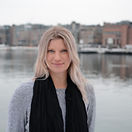
Erika Heine Montague
FN’22
Dr. Erika Heine Montague is an ocean innovation specialist and Chief Technologist at Schmidt Marine. She is an oceanographer, explorer, and evangelist of technology for a healthier ocean, with a Ph.D. in oceanography from Johns Hopkins University. Her research has involved work with submersibles and unmanned vehicles with a focus on the development of novel, nondestructive methods for studying extreme and remote marine environments. She aims to bridge the gap between diverse stakeholders to create more sustainable technologies and works on outreach efforts that leverage the technology-driven culture of today to empower the next generation. The mission of Schmidt Marine is to help teams move promising marine technology ideas toward economic sustainability and global impact.

Edward E. Marsh
MN'08
Ed Marsh became an affiliate member in 2005 and has been a full member since 2008.
He was introduced to the Explorers Club by American author L. Ron Hubbard who carried expedition flag #105 (1940) and #163 (1961). Ed provided funding to expedition flag #60 (2012) and is currently financing a private expedition in the Caribbean. While continuing to support terrestrial discoveries his foremost interests lay in exploration of terra incognita: the human mind, as well as mankind’s next big frontier—space exploration. As science fiction precedes science fact and plays an important role in society Ed has curated golden age libraries featuring complete, signed, original works of Arthur C. Clarke, Robert A. Heinlein,
L. Ron Hubbard, John W. Campbell Jr. and E.E. Smith at his library in Playas de Rosarito, Baja, and the Edward E. Marsh Special Collections Reading Room at the Malcom A. Love Library of his alma mater, San Diego State University. His current projects and activities include continued philanthropy and Mexican musical heritage preservation and dissemination. His previous business activities involved founding and growing companies in real estate and mortgage finance. He is now retired and enjoys vistas of the Coronados islands from his home in Rosarito Beach.

Nancy Nenow
MN'04 Chapter Chair Emeritus
Nancy Nenow’s career as an educator afforded her opportunities to take long leaves from her work. She was very fortunate to begin traveling around the world in the early 70’s. Since then, international travel has been a constant avocation with special interest in indigenous peoples, crafts, and photography.
After retirement, Nancy began filling her time when not traveling by volunteering at the San Diego Natural History Museum. She was trained as a para-botanist and began accompanying the museum staff on collecting trips in the mountains and desert around San Diego County as well as several long expeditions to remote areas of Baja California. To date, she has collected more than 3,500 botanical specimens for the Natural History Herbarium. Several of those specimens are new to San Diego County botanical records.
In 2015 Nancy married Explorers Club member and now San Diego Chapter member David Dolan, MED’03.
Nancy has served on the San Diego Chapter’s Executive Committee for many years and for 4 years served as San Diego Chapter Chair. She is also a Fellow of the Royal Geographic Society.

Scott McAvoy
FN’26
Scott McAvoy is a data systems analyst who specializes in 3D data processing, reconstruction and archiving at Qualcomm Institute at UCSD. He leverages advanced 3D modeling and artificial intelligence to digitally preserve global cultural heritage sites. McAvoy constructed a highly detailed, 3D digital "twin" of the ancient Temple of Bel in Palmyra, Syria, destroyed in 2015, by stitching together over 1,000 crowdsourced and tourist photographs using structure-from-motion techniques. He partners with researchers (such as those from Mexico's National Institute of Anthropology and History) to scan underground shrines, cenotes, and hand-painted caves in the Yucatán Peninsula. In 2025, McAvoy was awarded a prestigious Fulbright U.S. Scholar Award to further his work in advancing global cultural heritage using 3D technology.

Cynthia L. Matzke
FN'18
Chapter Member at Large
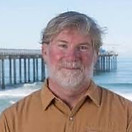
Christian M. McDonald
FN'18, VP Programs
As the Scientific Diving Safety Officer at the Scripps Institution of Oceanography, Christian McDonald, manages the oldest and one of the largest and most active scientific diving programs in the United States. Christian’s interest in marine science began as an undergraduate at the University of California, Santa Cruz (UCSC) while studying kelp forest ecological dynamics both in Central California and later on the remote island of Shemya, in the outer Aleutian chain, southwest of Alaska. Upon graduation from UCSC with a Bachelor of Science in Marine Biology, Christian spent 5 years working in and exploring diverse locations around Antarctica as a scientific diver, natural history cinematographer, commercial diver, and senior marine technician aboard National Science Foundation (NSF) supported polar classed research vessels. In addition to the scientific diving training, support, and oversight provided to the Scripps research community, Christian has recently served as chair of NSF’s Office of Polar Programs Diving Control Board and is a Past-President of the American Academy of Underwater Sciences.
Gale Mead
MN'98

Rodney Lance Moll
MN'17
.jpg)
Mary Coakley Munk
MN'17
Founding Board Member of the Walter Munk Foundation for the Oceans.
Mary Coakley Munk is a founding Board Member of the Walter Munk Foundation for the Oceans. She has been active in the local community and served on numerous boards and committees since she moved to La Jolla Shores in 2000. She is the founder and President of Friends of La Jolla Shores, a non-profit whose mission is to enhance and preserve our public parks, beaches, unique coastal community, and marine environment while promoting related educational experiences and recreational activities.
The organization has designed, funded, and overseen construction of over $2M worth of improvements in Kellogg Park, including a 2,200 square foot lithomosaic plaza depicting “THE MAP® of the La Jolla Underwater Park & Ecological Reserves;” a life-sized bronze sculpture by D. Lynn Reeves of “J.J. the Orphaned Baby Gray Whale;” and a Junior Lifeguard themed playground, all focused on educating the park’s millions of visitors to become better stewards of their environment. Mary has shared the better part of the last decade with Walter and wishes to honor his lifetime of daring exploration and discovery by supporting scientific research, education, and ocean conservation through the Foundation.
Brian O'Connell
MN'16
Daniel Ortega
MN'21
Daniel Ortega
MN'21
Kathleen Parker
MN'19
Anthony P. Potamianos
MI'17
David Press
LM'18
Connor Proctor
SM'12

Judith Radke, MD
MN'17
Judy is a retired Pediatric Radiologist. She obtained her medical training at St. Christopher’s Hospital for Children and Hahneman University, both in Philadelphia. She has attended San Diego Explorers Club functions, as well as ECAD and Lowell Thomas dinners, since 2009. In 2016, along with two members of the Explorers Club, she summited Mt. Kilimanjaro. A year later, she was an Expedition Physician on the Roosevelt-Rondon Centennial Expedition (Explorers Club flag #214) in the Pantanal of Brazil. She is an avid sailor and scuba diver. Her skills include dogsledding and alpine skiing. Since becoming a member of the Club she has served as a member-at-large on the San Diego Chapter Executive Committee. She is a financial contributor to both the Legacy Society and the Famous Firsts giving campaign of the Explorers Club.

Timothy Radke, MD
MN'13, Chapter Chair Emeritus
Tim is an Interventional Radiologist who also has years of experience in Emergency Medicine and General Surgery. He obtained his medical training at Georgetown University, Temple University, and the University of Pennsylvania. He first became involved with the Explorers Club in 2009 when he was trained, by Graham Hawkes, to be one of the first thirteen pilots of the DeepFlight Super Falcon manned marine submersible. In 2011, he piloted the Super Falcon with Hawkes Ocean Technologies on their DeepFlight Gulf of Aqaba Expedition sanctioned by His Majesty King Abdullah II of Jordan. In 2016, along with his wife, Judy, and another member of the Explorers Club, he summited Mt. Kilimanjaro. In 2017, he participated in the Antarctic Circumnavigation Expedition (Explorers Club flag #160). Later that year he joined the Roosevelt-Rondon Centennial Expedition in the Pantanal of Brazil (Explorers Club flag #214) as an Expedition Physician. An underwater photographer and sailor, his passion lies with the oceans. However, he also has proficiency in backpacking, dogsledding, and alpine skiing.
After serving over a year as a member-at-large on the Chapter Executive Committee, he was elected to the position of Chapter Chairman. He has served in this capacity since 2017. He serves on the Legacy Society Committee of the Explorers Club, to which he financially contributes. Also, he is a founding member/financial contributor to the Famous Firsts giving campaign of TEC. Tim was recently appointed Vice-president of Chapters.
Thomas Ressa
SM'22
Greg Reitman
MN'23
Greg Reitman is the founder of Blue Water Film Festival and Institute.

Dominique Rissolo, PhD
FN'13
Dr. Dominique Rissolo is an assistant research scientist with the Qualcomm Institute at UC San Diego where he co-leads the Cultural Heritage Engineering Initiative (CHEI). He has worked closely with multiple agencies and universities to plan and execute oceanographic and marine archaeological research projects using autonomous, remotely operated, and human occupied vehicles. As an archaeologist, Dominique’s interdisciplinary research focuses on paleocoastal human ecology and the development of ancient maritime trade networks along the Yucatan coast. His work on the Yucatan Peninsula has also focused on ancient Maya and Paleoamerican cave and cenote use as well as coastal and near-coastal settlement patterns and the rise of social complexity in the region. Rissolo has been actively involved in the development of digital workflows for the visualization of image-derived data from marine and terrestrial sites and has enabled collaborating researchers to expand their technical capabilities. Dominique co-directs the Costa Escondida and Hoyo Negro projects and is also a member of the NOAA Ocean Exploration Advisory Board.
https://www.hakaimagazine.com/features/hidden-coastal-culture-of-the-ancient-maya/
http://hoyonegro.ucsd.edu/
http://bermuda100.ucsd.edu/index.php

Prof. Greg Rouse, PhD
FN'16
Professor of marine biology in the Marine Biology Research Division at Scripps Institution of Oceanography at UC San Diego and is also curator of the Benthic Invertebrate Collection at Scripps. He specializes in the study of animal biodiversity.

John R. Rowe
FN'13
Award winning photographer and filmmaker John Rowe has spent over two decades documenting people and cultures worldwide, including in Southeast Asia, India, Mongolia, China, Japan, Cuba and Africa.
Tyler G. Rowe
FN'15

Paul Anthony Ruiz
SM'17
I am a 19 year old student member of the San Diego Explorer Club chapter. Since 2009 I've been an active member with the help and guidance of my grandfather, Anthony, who introduced me to the club. Together we've been to China, Peru, Japan, Costa Rica but we still have a few more continents and world wonders to explore. My Grandfather and I have both been lucky enough to attend two ECAD dinners and have met many amazing individuals both locally and while abroad. I'm a second year college student studying psychology with hopes of one day being able to study the brain and people alike. Aside from exploration I love the outdoors and film photography.
Tamara "Tammy" Russell
TM"23
Dr. Allen Ryan
FN'20
George A. Scheele, MD
FE'13

Martha J. Shaw MSc, PhD pending
LF'06
Martha serves on the Explorers Club World Oceans Week, the UN Committee and is the present Chapter Chair of the San Diego Chapter, with a vision to enhance fellowship among chapter members and the Club at large, while focusing on benefits to membership. She is a published coastal geologist on sediment transport in the surf zone and reconstruction of paleoshorelines. She was a staff geologist and scuba diver for State of California Fish and Wildlife, and then Scripps institution of Oceanography Shore Processes lab. Her talent as a writer and technologist, launched her into a career as science journalist, with Walter Cronkite and others. She has won many awards as Adweek Creative AllStar, Radio Mercury Award, One Show, Best of Broadcast, and SanDi awards. She founded an agency, because 'the Earth needed an ad agency" to Cronkite. She has worked with the UN Global Compact and launched the iconic sustainable businesses of our time in clean energy, organic farming, non toxic detergents, and clean transportation. She works on marine protected areas and with island nations facing sea level rise to raise public awareness on important ocean issues. Her fictional novel Hook, Line and Sinker on Amazon entertains as it weaves in the true disappearance of Pacific Bluefin Tuna.Martha loves the club for its eclectic membership and overall value system. She is an active artist and ceramicist and studies formanifera and benthic communities, and dives on Mission Blue and other expeditions.
Frederick A. Schilling Jr.
FE'79

Chapter Pins for Members are $30

Paula Selby
MN'18
Paula Selby is a Board Member of the Walter Munk Foundation for the Oceans. Born and raised in Columbus, Ohio, Paula first fell in love with the ocean at age 12, after seeing a coral reef for the first time during a family vacation in Jamaica. A few years later, she joined her mother and father who enrolled in a scuba diving course in 1969, a time when recreational scuba certification agencies were still evolving from their military origins. There were not many women involved in the sport at the time, but Paula was totally hooked! Paula was certified as a diving instructor in 1973, and managed a family dive operation in Columbus, Ohio before heading to the ocean to manage diving resorts in the Florida Keys, Bahamas and Virgin Islands, including a private island resort and wildlife sanctuary in the British Virgin Islands.
Throughout her diving career, she crossed paths with many of the sport's pioneers and filmmakers. She received her first instruction in underwater photography by then publisher of Skin Diver Magazine, Paul Tzimoulis, and began shooting with a Nikonos II amphibious camera. She eventually converted her camera system to a housed SLR Nikon film camera, and more recently to a housed digital Nikon D810 camera. After switching her film camera to digital in 2004, Paula enrolled in a Graphic Design program at UCSD Extension to learn how to use Photoshop and other digital design software. She has since used both her photographic and graphic art skills to support non-profit organizations she volunteers for, including logo and t-shirt designs, donor plaques and other promotional materials. She left the Caribbean and moved to San Diego in 1988, where she obtained employment and currently works as a Senior Procurement Manager with healthcare giant, Kaiser Permanente.
In 1991, Paula began traveling around the world with Stephen Frink’s tour company, Waterhouse Photo Tours. She is also active in the local and International open water swimming community, serving on the board of the La Jolla Cove Swim Club for 20 years, and the board of the Catalina Channel Swimming Federation (CCSF) since 2008. CCSF sanctions marathon and relay swims across the Catalina Channel, and was inducted as a sanctioning organization in the International Marathon Swimming Hall of Fame in 2011. Since 2000, Paula has organized cultural and nature tours for her fellow swimmers to various destinations around the world, wherever there is a warm body of water to swim in.
In 2008, Paula met legendary Scripps Oceanographer, Walter Munk, through his wife, Mary, while working on “THE MAP” project in La Jolla’s Kellogg Park. She joined the board of Friends of La Jolla Shores after meeting Mary Munk, where she put her graphic art skills to work for both “THE MAP”, field trip and Fish ID guides, and other park projects, including rendering all of the junior lifeguard-themed illustrations for the park’s playground and signage for the bronze bathymetry. Inspired by the lifelong achievements of Walter Munk, and a desire to carry on his amazing legacy, she joined the board as CFO of the Walter Munk Foundation for the Oceans in 2018. She aspires to serve Walter's new foundation in multiple capacities to a greater extent post-retirement to promote its mission of ocean exploration, conservation, education and scientific research.

Sara Shoemaker Lind
MN'99 VP Chapter Secretary 2025-26
Photographer Sara Shoemaker Lind captures dynamic images inspired by the natural world. Her focus on color, pattern and energy in photography is fueled by the love of ocean adventure and seeing new things.
“It is an illusion that photos are made with the camera… they are made with the eye, heart, and head.” -Henri Cartier-Bresson
Sara Shoemaker Lind captures dynamic images inspired by the natural world. Sara has a BA Degree in Fine Art Photography from Stanford University and also studied at Brooks Institute. Her images have been published extensively in editorial, corporate and educational media, and with international photography competition recognition.She exhibits in group and solo shows; her projects are enhanced by community outreach through lectures, exhibitions, and expeditions. Sara lives to follow the light.
She is an active member of The Explorers Club, Our World-Underwater Scholarship Society, Stanford Alumni Association. She lives in La Jolla, California with her family and dachshund.
A partial client list for editorial, fine art, and corporate work includes the Monterey Bay Aquarium, National Geographic, O'Neill Wetsuits, PADI, Divers Alert Network, Central Caribbean Marine Institute, ScubaPro, GE, American Art Collector and World Wildlife Fund. Other distinctions include artist residencies with the Ucross Foundation in Wyoming and the Hungarian Multicultural Center in Budapest, Hungary, Outside Magazine Top 25 Outdoor Careers Profile 1999, Project AWARE Foundation Grant Recipient 1999, Our World-Underwater North American Rolex Scholarship Winner 1997. Competition placings, photo art installations, and gallery exhibitions complete list is under Projects.

Jay M. Short, PhD
LF'03

Cdr. James F. Skelly
MN'97

David Smith, PhD
FE'53
Chapter Member at Large

Amberlea Jackson Sparks
MN'14

Prof. Charles S. Stanish, PhD
FN'12

Hubert Staudigel
FN'13
Senior Research Geophysicist at the Institute for Geophysics and Planetary Physics at Scripps Institution of Oceanography and Lecturer at the Earth Science Graduate Department at University of California San Diego.

Brent S. Stewart M.S., Ph.D., J.D., FRGS
FN'91
Wildlife & Conservation Scientist, Explorer, Writer, Photographer.
Dr. Stewart has studied the population biology, foraging and physiological ecology, and behavior of marine mammals, sea birds, sea turtles, and whale sharks for over 35 years. His research expeditions have ranged from Greenland and Iceland in the North Atlantic south to Marion Island in the South Atlantic and Kenya, the Philippines, West Papua, the Maldives and Western Australia in the Indian Ocean, in Russia’s Lake Baikal and along the coast of Kamchatka, from the Beaufort and Bering Seas south through temperate, tropical and equatorial waters in the North Pacific Ocean, and in the Weddell, Amundsen, and Ross Seas of the Antarctic’s Southern Ocean and in China’s Yangtze River. Dr. Stewart’s focus in these comparative studies has been discovering and understanding what habitats are important to these various large marine vertebrates, how they navigate and mitigate over vast areas to find and use those habitats, how they hunt and capture prey necessary to sustain breeding and fasting periods and successfully reproduce, how they interact with each other (populations and species) while sharing habitats and resources, and how they respond to and adjust to short and long term natural and anthropogenic changes in those key habitats. The application of remote sensing and telemetry is a key tool in many of these studies. The overall objectives of his scientific studies are to contribute his findings to the peer reviewed scientific literature and to education, conservation, and management authorities to promote science-based conservation of life.
Dr. Stewart holds a Bachelor of Arts degree in Biology from the University of California at Los Angeles, a Master of Science degree in Ecology from California State University at San Diego, a Ph.D. in Biology from the University of California at Los Angeles, and a Juris Doctorate from Boalt Hall School of Law, University of California at Berkeley. Dr. Stewart served as a Science and Diplomacy Fellow in the Bureau of Oceans at the U.S. State Department from 1999 to 2001.
Dr. Stewart served as a Science and Diplomacy Fellow in the Bureau of Oceans at the U.S. State Department from 1999 to 2001.
In 2011, Dr. Stewart was awarded the prestigious Lowell Thomas Medal by The Explorers Club for his career efforts to explore, understand, and conserve Earth’s ocean wildlife, and in 2012 was recognized as one of forty of the world’s leading conservation biologists.

Bill Toone
FN’26
Bill Toone is an internationally recognized conservation biologist, author and public speaker who has worked in more that 30 countries and traveled to over 100. Best known for his pioneering role in the recovery of the California condor.
Bill helped to develop groundbreaking techniques including the use of condor puppets that enabled one of North America’s most endangered birds to survive and recover. He spent over three decades with San Diego Zoo and Zoological Society of San Diego, becoming Curator of Birds and Director of Applied Conservation. His expeditions and biological surveys have taken him from the rainforests of Madagascar and Papua New Guinea to the savannas of Central Africa, often in partnership with wife and fellow explorer, Sunni.
Theodore B. Sutcliffe
SM'14
Harley Wahl
SM'24

R. Shelton "Doc" White
FN'95
Doc White has lived to not only tell the story, but to capture it in stunning photographs. That’s how the rest of us get to see the world Doc has explored firsthand. From the Arctic to Australia, Doc White brings to life the wonders of nature, a heart-stopping show that he has shared over the years in books, magazines, film, television and online.
Doc White's current project is Baja to Bering
The 12,000 NM Whale Migration- Baja California to the Bering Sea, Alaska. This project will use photos and video documentation to delve into the (coastal) Eastern Pacific marine ecosystem, tracking the 12,000-nautical mile migration route of the humpback whale (Megaptera novaeangliae) and the gray whale (Eschrichtius robustus), culminating in the longest migration of any mammal on earth. The journey will document diverse and ecologically important ecosystems and marine life that whales migrate through while in transit.

Dewy White
MN'14

James Williams
FN'19
Dr. Richard Wilson
FN'87

Pamela K. Yochem DVM, PhD
FN'09

Lou Cooperhouse
MN'24
Lou is a global authority and industry expert in food innovation, technology commercialization, and business incubation; and as a results-driven professional with the ability to lead, build, develop and transform organizations. During his 40-year career in the food industry, Lou has consulted for numerous organizations and has led cross-functional teams in a wide array of settings including: new business startups, mid-sized and family-run companies, multinational corporations, foodservice and retail operations, university entrepreneurship and innovation centers, and industry trade associations.
Lou's career experiences in entrepreneurship were featured as the cover story in Food Technology Magazine, titled "Oceans of Innovation", Dec 2023. Lou is a member of the Explorers Club, a prestigious international organization dedicated to promoting the exploration of land, sea, air and space, and to inspire new generations to pursue discovery and conservation. He’s also a member of the Society of Fellows at the Culinary Institute of America.
Previously, Lou served as a founder and the Executive Director of the Rutgers University Food Innovation Center, and as Chairman of the Center's Board of Advisors. He also previously served as President of the New Jersey Business Incubation Network; Executive Director and President of the New Jersey Food Processors Association; and on the Board of Directors of the International Business Innovation Association. Earlier in his career, he also served on the Board and a member of the Executive Committee of the Refrigerated Foods Association; on the board of the United Fresh Produce Association; on the Board of Managers of the NJ Agricultural Experiment Station at Rutgers University.
Gabe Gekas TM’25 Gabe Gekas is a PhD student in the Air-Sea Interaction Lab at Scripps Institution of Oceanography. He is an aviation pilot and drone operator